
NELSON
Resources
Resources to support the development and understanding of NELSON as your research companion
FEATURED
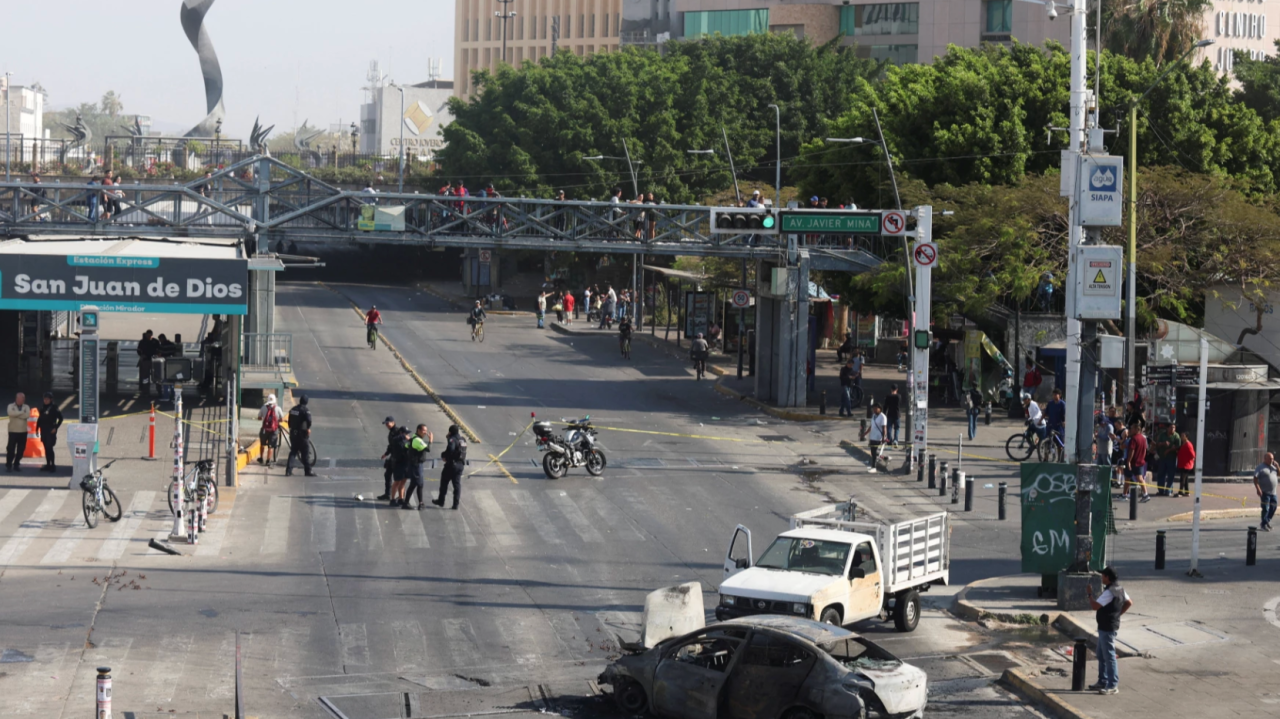
El Mencho's killing removed a man. It did not remove an organization. The city hosting 2026 FIFA World Cup games remains the Jalisco New Generation Cartel's home base — and succession violence is the near-term risk that security planners need to price in.
GET TO KNOW NELSON

The world and news move faster than we can read. And while technology is more than keeping up, attempts such as LLM aren't quite there. The truth is that critical information is buried in local-language sources. Regional context takes years to build. The window to produce actionable, early warning intelligence is narrow. LLM's aren't built for this kind of work. They can't tell the difference between a Forbes article and a vetted analyst report from inside a conflict zone. Nelson is an AI research companion with a simple, conversational interface. It includes up to 20 vetted sources sited with every answer. Ask a question in any language, and receive an answer in the same. If you want to lear more about how Nelson works, read our FAQs. Just like in any conversation, knowing how to ask good questions is vital for getting the answers you need. We've compiled a list of good-better-best queries for Nelson so you can get a better idea of how to get the most out of your time with Nelson.
NELSON Explains
NELSON unpacks some of the most interesting, trending topics in the world where geopolitics intersects with organized crime.
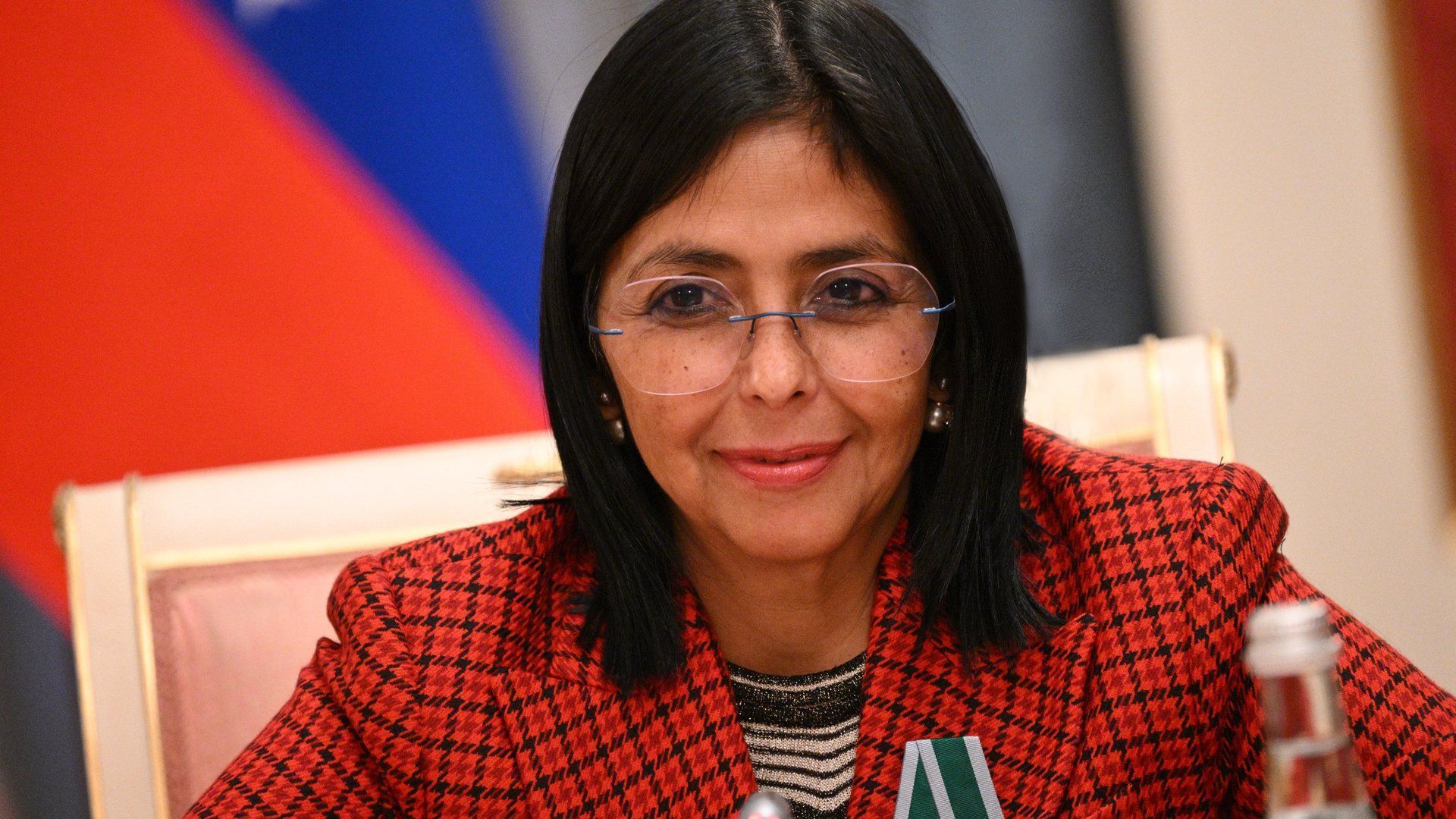
On 1 April 2026, the U.S. Treasury Department's Office of Foreign Assets Control removed Delcy Rodriguez from the Specially Designated Nationals (SDN) list, formally lifting sanctions that had been in place since September 2018. The move completes a sequence Washington has been building since U.S. forces seized Nicolas Maduro on 3 January: recognition, embassy reopening, and now sanctions relief. Each step has been conditional. Each step has been sequential. The mainstream read is that this represents a diplomatic thaw between Washington and Caracas. The more precise read is that it is a controlled asset transfer. Rodriguez's removal from the SDN list unlocks the most consequential practical consequence of the entire post-Maduro transition: Citgo. It also confirms something that her public statements have obscured. Washington has chosen its interlocutor, and it is not the democratic opposition.
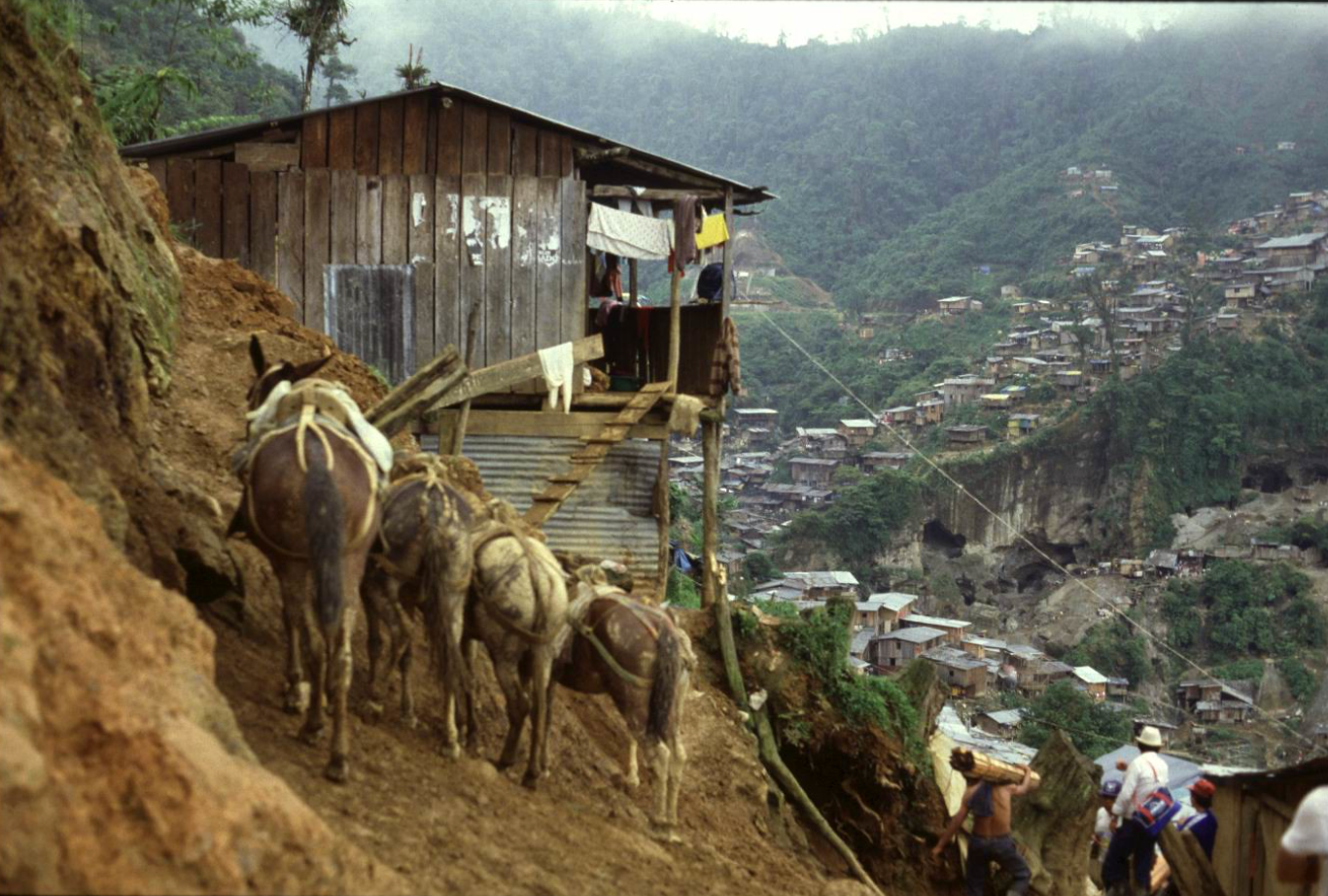
Executive Summary Investment Thesis Under Review Entry into Ecuador's gold sector via a small Canadian mining company with existing concessions. Critical Finding Ecuador's gold sector presents severe reputational, regulatory, and operational risks that fundamentally challenge the investment hypothesis. The "early mover advantage" is offset by systemic corruption, criminal infiltration, and a regulatory environment that appears to facilitate rather than prevents illicit activity.

How to read OFAC’s latest moves in the post-Maduro landscape. What Happened—and What Didn’t Since U.S. special forces captured and extracted Nicolás Maduro on January 3, 2026, the Treasury Department has issued a steady stream of Venezuela-related sanctions licenses. Acting President Delcy Rodríguez has signed a new hydrocarbons law, released political prisoners, and signaled willingness to cooperate with Washington. Against this backdrop, OFAC’s February 10 package—which included GL 30B alongside GL 48 and GL 46A—has fueled speculation that Venezuela’s market is reopening.
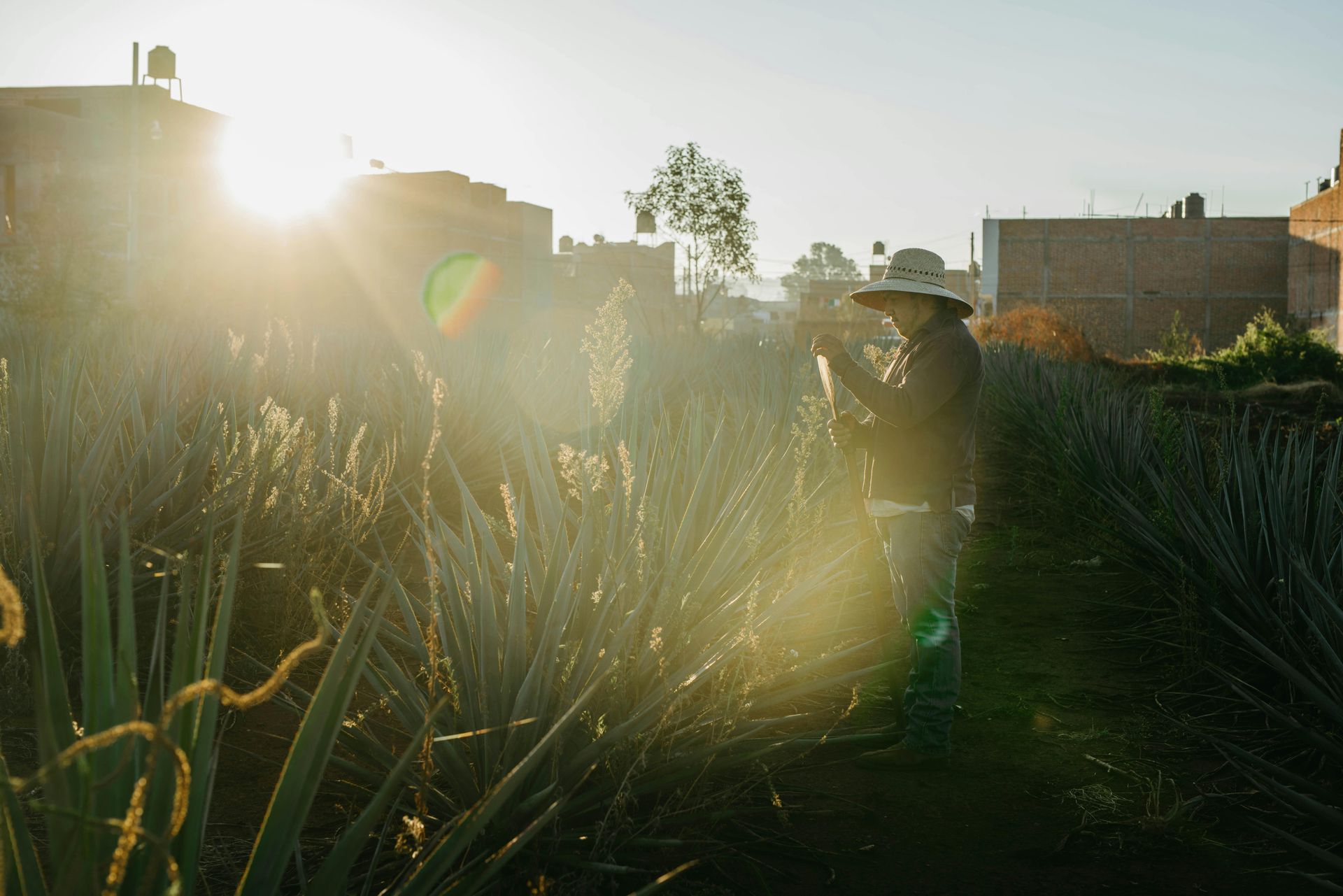
Chinese organized crime has emerged as a significant threat to Latin America's natural resources, ecosystems, and governance structures. Operating across illegal fishing, mining, wildlife trafficking, narcotics, and money laundering, these criminal networks exploit weak institutions while generating illicit revenue streams that intersect with broader strategic interests of the People's Republic of China.

Artificial intelligence has fundamentally altered the landscape of organized crime. What was once the domain of science fiction—machines enhancing criminal operations—has become operational reality across Latin America and beyond. From Mexican cartels deploying AI-controlled drones to Brazilian crime syndicates automating financial fraud, criminal organizations are leveraging the same revolutionary technology that promised to transform legitimate business.
RECENT MEMOS
El Mencho's killing removed a man. It did not remove an organization. The city hosting 2026 FIFA World Cup games remains the Jalisco New Generation Cartel's home base — and succession violence is the near-term risk that security planners need to price in.
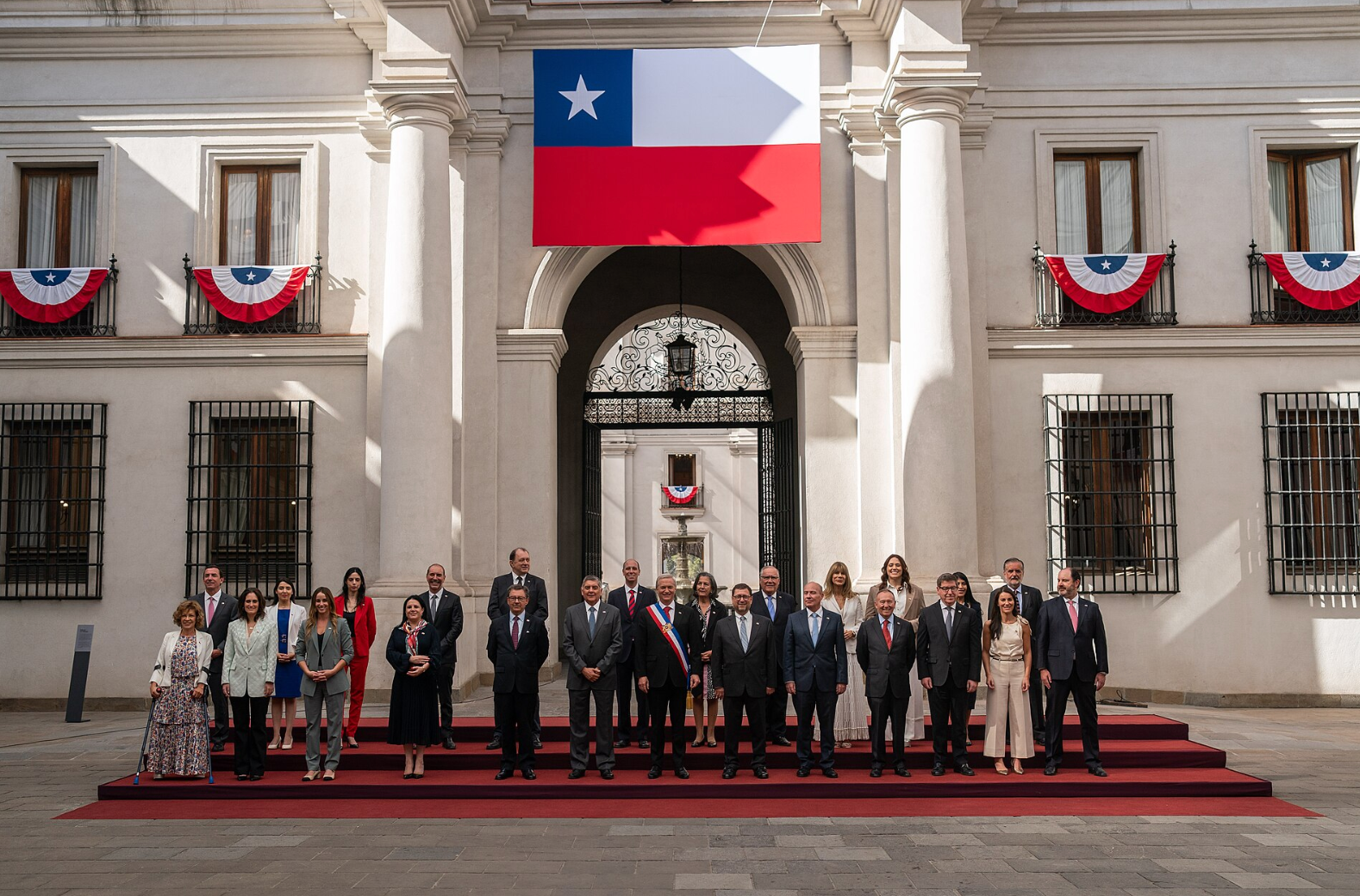
President José Antonio Kast assumed office on March 11, 2026 following a decisive electoral mandate — 58% of the vote , the largest margin in Chile's post-democratic history. For investors, his inauguration represents the most significant shift in Chile's investment climate in over a decade. The headline story is positive: a pro-market, pro-investment government replacing one that markets consistently viewed with skepticism. The Santiago Stock Exchange rose and the peso strengthened on election night. However, this memo argues that the investment opportunity in Chile is real but structurally complicated by three forces that will define Kast's term: a geopolitical squeeze between Washington and Beijing that has no clean resolution; a corruption legacy within his own coalition that constrains his policy autonomy; and a deteriorating security environment driven by transnational organized crime that directly affects operational risk for businesses on the ground.
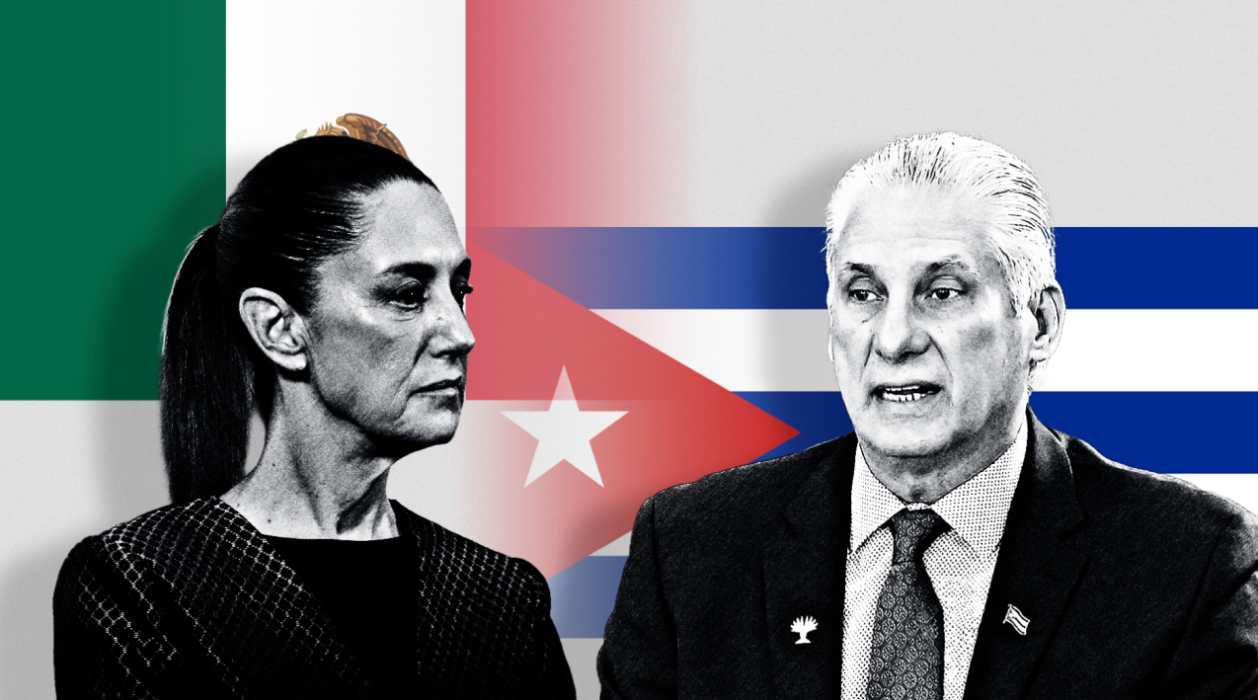
President Claudia Sheinbaum's handling of oil exports to Cuba reveals a sophisticated but precarious balancing act—one that exposes the fundamental tensions within Morena's governing coalition and the limits of Mexican sovereignty under Trump's pressure. The Cuba issue has become a lens through which we can understand how Sheinbaum simultaneously manages Washington's demands and her party's ideological hardliners, often by saying one thing while doing another.

Peru faces a perfect storm: it has cycled through eight presidents in the last 10 years while simultaneously ceding operational control of its most strategic infrastructure to a Chinese state-owned enterprise. The current president, José María Balcázar, is the country's eighth leader since 2016 and will serve only until elections scheduled for April 12, 2026. This creates a governance vacuum precisely when Peru needs sustained, coherent oversight of COSCO's operations at Chancay.
Video Resources
NELSON Overview Video
The NELSON Story